
Kinkakuji and Ginkakuji at a glance
Kinkakuji and Ginkakuji are two well-known pavilion temples of Kyoto. Kinkaku-ji, the Golden Pavilion, stands in Kita ward in the northwest of the city. Ginkaku-ji, the Silver Pavilion, lies in the east of the city. They are not neighbours, so plan the trip between them as a real transfer.
Both temples belong to the Shokoku-ji branch of Rinzai Zen, and both began as villas of Ashikaga shoguns that became temples after their owners died. The Silver Pavilion was never covered in silver. The name is a nickname, not a description of the building.
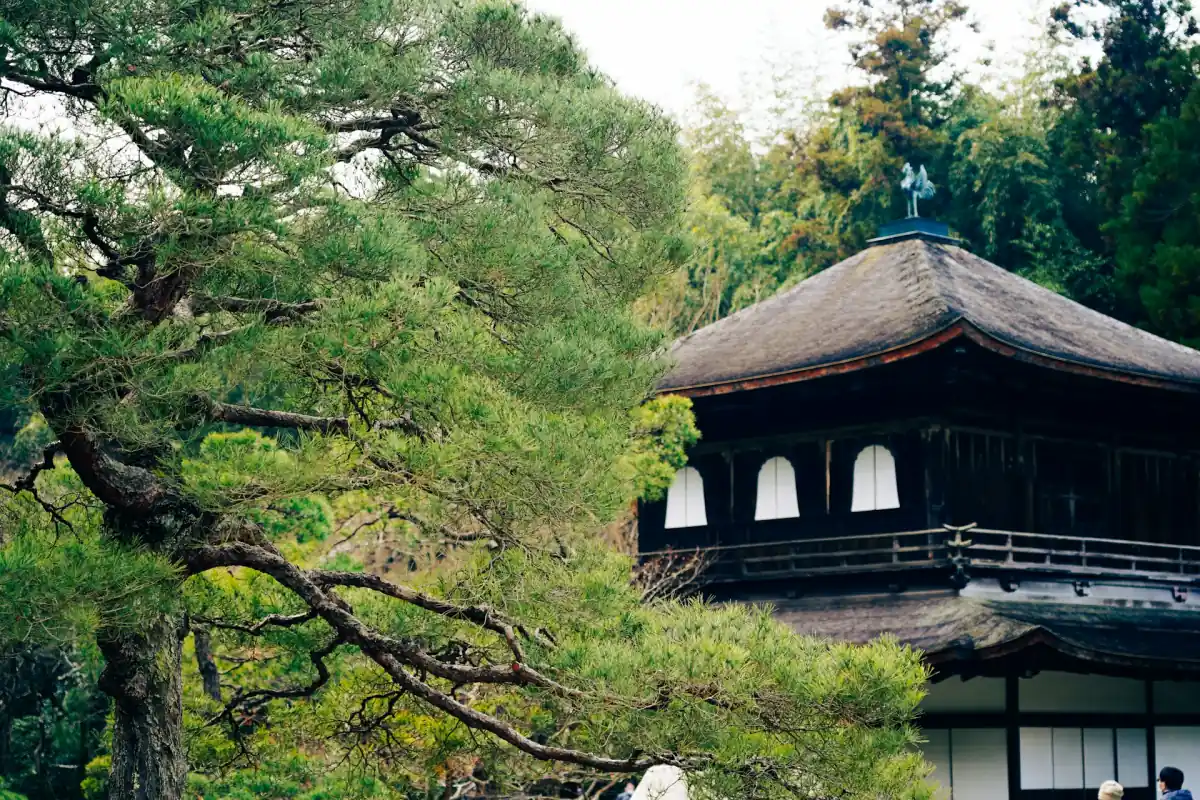
Two shoguns, two villas
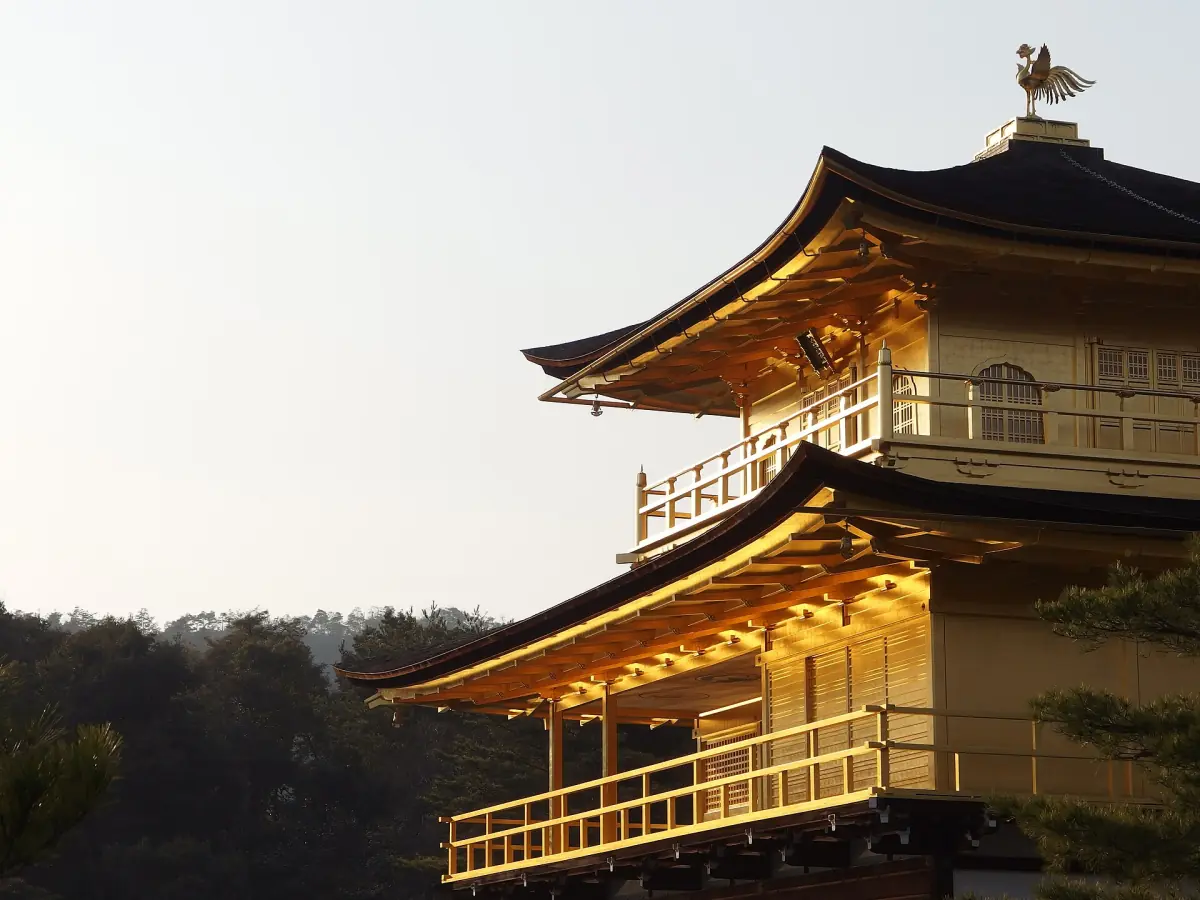
Ashikaga Yoshimitsu began his Kitayama villa, the site of today's Kinkaku-ji, in 1397. After his death in 1408 it became a Zen temple, Rokuon-ji. Its reliquary hall carries gold leaf on its upper two floors and a phoenix on the roof. Our page on the history of Kinkaku-ji covers the fire of 1950 and the rebuilding in 1955.
Ginkaku-ji's formal name is Higashiyama Jisho-ji. Ashikaga Yoshimasa began his Higashiyama villa there in 1482, and the Kannon hall, the building now called the Silver Pavilion, was built in 1489. Yoshimasa died in 1490, after which the villa was turned into a temple.
If you only have a day, a guided bus tour can cover both pavilions without changing buses. Compare options on our Kinkaku-ji tours page or in the selection below.
Our pick: both pavilions on one coach tour
You see the gold and the silver pavilion on the same coach tour, with Kiyomizu-dera on top.
Hand-picked tours, booked through GetYourGuide. Prices are indicative starting prices in US dollars (as of October 2026). Tap a tour for live availability and the current price in your currency.
Day tours with the Golden and Silver Pavilions
Kyoto bus tours that stop at Kinkaku-ji, Ginkaku-ji and Kiyomizu-dera, plus guided Kinkaku-ji visits, with live prices and availability.
Golden and Silver Pavilions compared
Prices and hours as of 2026. Check again before you go, since special openings can have their own times and fees.
| Kinkaku-ji | Ginkaku-ji | |
|---|---|---|
| Formal name | Rokuon-ji | Higashiyama Jisho-ji |
| Location | Kita ward, northwest Kyoto | Eastern Kyoto |
| Founder of the villa | Ashikaga Yoshimitsu, from 1397 | Ashikaga Yoshimasa, from 1482 |
| Pavilion | Three storeys, gold leaf on the upper two | Kannon hall from 1489, never silvered |
| Adults incl. high school | ¥500 | ¥1,000 |
| Elementary and junior high | ¥300 | ¥500 |
| Preschool children | – | Free |
| Opening hours | Daily 9:00 to 17:00 | 8:30 to 17:00 (1 Mar to 30 Nov), 9:00 to 16:30 (Dec to Feb) |
| Payment at the gate | Omairi Pay with credit card since 28 Sep 2026 | Cash and Omairi Pay |
| Building interiors | Not part of a normal visit | Silver Pavilion closed inside; some halls only at special openings |
For most first-time visitors, Kinkaku-ji is the one to see if you only have time for one: it is cheaper to enter and the gold pavilion stands right on its pond. If you have a full day and want to see how a second Ashikaga villa turned out, add Ginkaku-ji.
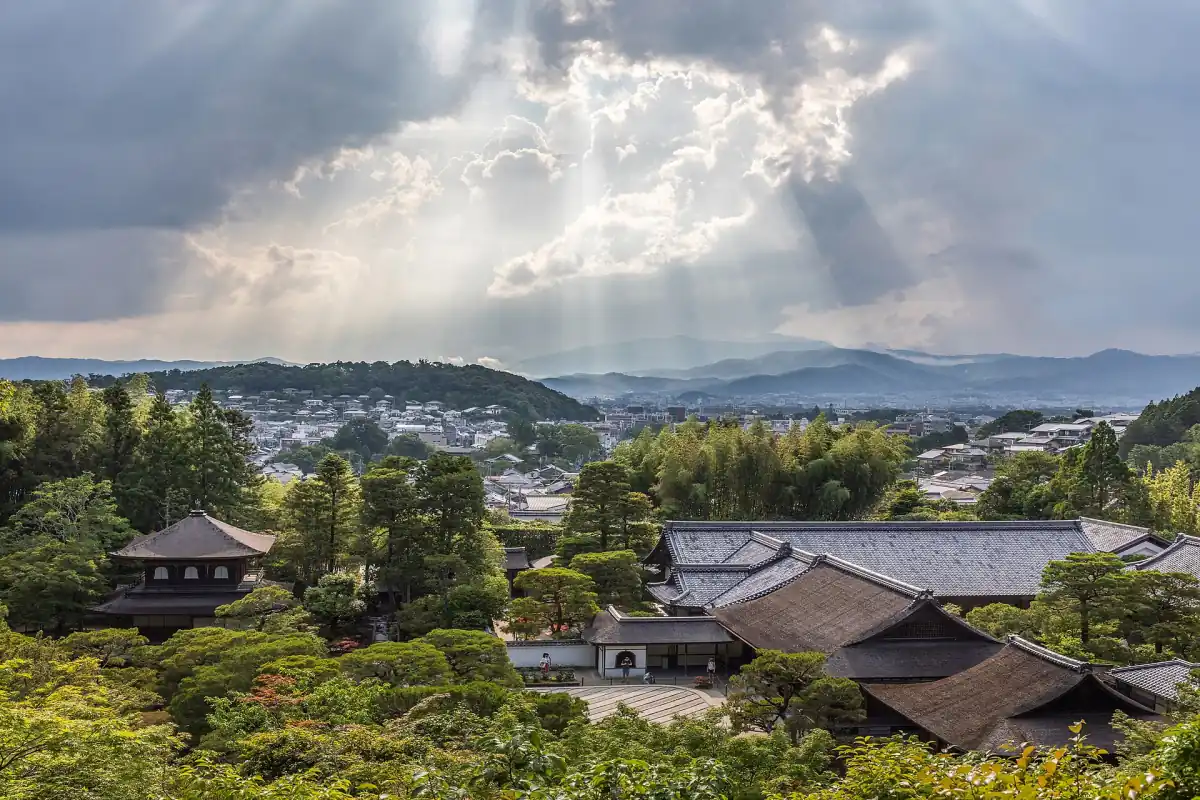
Ginkaku-ji Kyoto: the Silver Pavilion
Ginkaku-ji in Kyoto is about a garden visit. The Kannon hall is the main building, and the path continues through the grounds. The inside of the Silver Pavilion is not open to visitors. Other halls, the Togu-do, the Hojo and the Rosei-tei, open only during special openings in spring and autumn.
The pavilion never had a silver coating. For a deeper guide to the temple itself, see the Ginkaku-ji guide on our Kyoto site.
Ginkaku-ji raised its fees on 1 April 2026 to ¥1,000 for adults and high school students and ¥500 for elementary and junior high school students. Children below school age enter free, and there are no group discounts. Until then the adult fee was ¥500, so budget with the new amount.
Kinkaku-ji: the Golden Pavilion on its pond
At Kinkaku-ji the pavilion is the centrepiece of a pond garden. The Kyoko-chi pond covers about 6,600 m² and has islands and named stones, so the building appears with its reflection from the far shore. The ground floor is in the shinden style, the second in the buke style of samurai houses and the top floor in a Chinese-influenced Zen style.
Like Ginkaku-ji, Kinkaku-ji is seen from outside: you walk the garden path rather than enter the pavilion. Read more on our pages about the Golden Pavilion and the Kinkaku-ji garden.
Getting between Kinkakuji and Ginkakuji
City bus 204 runs between Kinkakuji-michi and Ginkakuji-michi. Add a walk at each end between the stop and the temple gate. Allow about 40 minutes for the transfer to Ginkaku-ji; treat that as a planning figure, since traffic and crowded buses can make it longer. A regular city bus ride costs ¥230 for adults and ¥120 for children (as of 2026), paid when you get off.
- Start early at Kinkaku-ji: it opens at 9:00 every day. Ginkaku-ji opens at 8:30 from March to November, so either order works.
- Watch the closing time: in winter Ginkaku-ji closes at 16:30. You need to be out of the grounds by 16:50 in winter and by 17:20 in summer.
- Payment: both temples accept Omairi Pay at the entrance, and Ginkaku-ji also takes cash. At both, the service covers the entry fee, not goshuin; at Kinkaku-ji it also excludes amulets.
The full route from Kyoto Station to Kinkaku-ji is on our getting there page.
One day with Kiyomizu-dera, Kinkaku-ji and Ginkaku-ji
Many visitors want to combine the two pavilions with Kiyomizu-dera. On your own this means crossing the city twice, with buses and walks at each end. From Kiyomizumichi or Gojozaka, bus 206 north and a change at Rakuhoku Koko-mae to bus 204 or 205 take you to Kinkakuji-michi.
A bus tour from the Kyoto Station area covers all three temples in about five and a half hours, with a multilingual audio guide in English, Chinese and Korean and a lunch break at your own cost. Check when you book which entry fees are covered. If you prefer more time inside the Golden Pavilion's garden, a small-group walking tour with Kinkaku-ji admission is the alternative.
Kinkakuji and Ginkakuji: frequently asked questions
Is the Silver Pavilion really silver?
No. Silver Pavilion is a common name for the Kannon hall of Ginkaku-ji. The building was never covered in silver.
Which should I visit if I only have time for one?
Kinkaku-ji has the gold pavilion on its pond and the lower entry fee. Ginkaku-ji suits travellers who want a second pavilion and garden on a full day.
How much does Ginkaku-ji cost in 2026?
Since 1 April 2026: ¥1,000 for adults and high school students, ¥500 for elementary and junior high school students, free below school age. Kinkaku-ji charges ¥500 and ¥300.
How do I get from Kinkakuji to Ginkakuji?
Take city bus 204 between Kinkakuji-michi and Ginkakuji-michi for ¥230 (adults, as of 2026). Allow about 40 minutes for the transfer, plus walking at both ends.
Can you go inside the Silver Pavilion?
No, its interior is not open. Some other halls at Ginkaku-ji open during special openings in spring and autumn.