
Things to do near Kinkakuji at a glance
Kinkaku-ji, the Golden Pavilion, stands at 1 Kinkakuji-cho in Kyoto's Kita ward, close to the Kinkakuji-michi bus stop. Plan about 40 minutes for the temple itself. After that, some things to do near Kinkakuji lie within walking distance, and a few more are one bus or one Randen ride away.
One route is the Kinukake-no-michi, a road of about 2.5 km that links Kinkaku-ji with Ryoan-ji and Ninna-ji. A short bus ride takes you to Kitano Tenmangu and the hanamachi of Kamishichiken, and the Zen subtemples of Daitoku-ji make a good second morning. If you would rather have someone else handle the order and the tickets, our page on Kinkaku-ji tours with guide and entry compares the options.
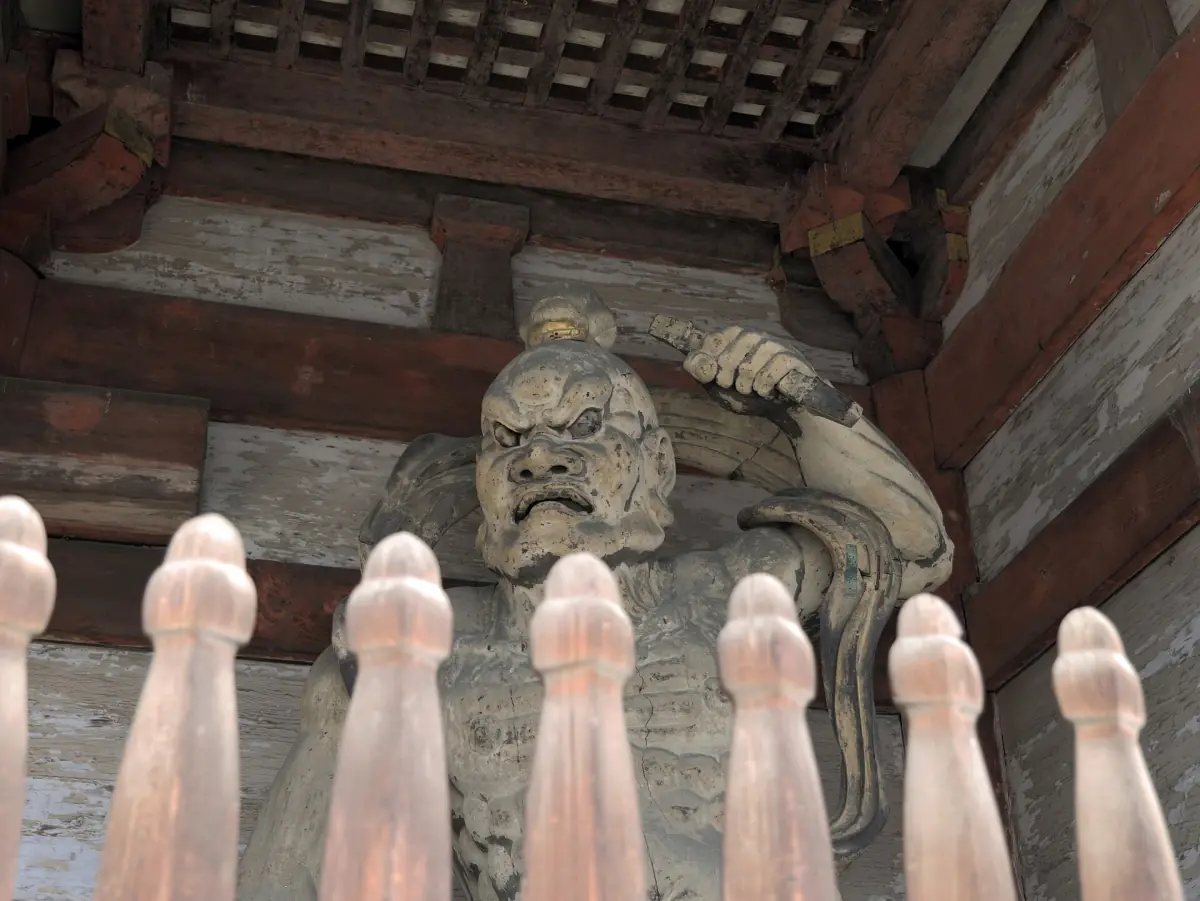
Nearby temples and shrines compared
Fees for adults as of 2026. Hours change with seasons and ceremonies, so check the day before you go.
| Place | Getting there from Kinkaku-ji | Adult fee | Regular hours |
|---|---|---|---|
| Ryoan-ji | About 18 min on foot | ¥600 | 08:00–17:00 (Dec to Feb 08:30–16:30) |
| Ninna-ji (Goten garden) | About 11 min on foot from Ryoan-ji | ¥800 | 09:00–17:00 (Dec to Feb to 16:30) |
| Myoshin-ji (halls) | – | ¥500 | 09:00–16:00 |
| Kitano Tenmangu | Bus via Kitano-Hakubaicho | Gardens extra in season | 07:00–17:00 |
| Daisen-in (Daitoku-ji) | – | ¥500 | 09:00–16:30 |
| Toji-in | – | ¥600 | 09:00–16:30 |
For most visitors with half a day, the walk along the Kinukake-no-michi to Ryoan-ji and Ninna-ji is the easiest match: no transport needed and three temples in a row. With more time, add Kitano Tenmangu or Daitoku-ji on another morning.
The Kinukake-no-michi: Kinkaku-ji to Ryoan-ji and Ninna-ji
The road runs along the foot of the hills west of Kinkaku-ji. The walking time is about 18 minutes from Kinkaku-ji to Ryoan-ji and about 11 minutes from Ryoan-ji to Ninna-ji, so roughly half an hour on foot in total. Time inside the temples, breaks and the paths within each site come on top, so plan a full morning or afternoon.
Ryoan-ji
Ryoan-ji is famous for its rock garden: 15 stones in groups of five, two, three, two and three, set in white gravel south of the abbot's hall. The temple was founded by Hosokawa Katsumoto in 1450. As of 2026, entry is ¥600 for adults, ¥500 for high school students and ¥300 for younger pupils. Details are on our Ryoan-ji page.
Ninna-ji
Ninna-ji was founded in 888 and is the head temple of the Omuro school of Shingon Buddhism. Outside the cherry season the grounds are free; the Goten palace garden costs ¥800 for adults, and students up to high school go free. The late-blooming Omuro cherries bloom around mid-April. From the gate the Randen station Omuro-Ninnaji takes you onward to Arashiyama. More on our Ninna-ji page.
Our pick: a tour linking Kinkaku-ji and Ninna-ji
The guide takes you from Kinkaku-ji to the nearby Ninna-ji by taxi, with both admissions covered.
Hand-picked tours, booked through Viator. Prices are indicative starting prices in US dollars (as of October 2026). Tap a tour for live availability and the current price in your currency.
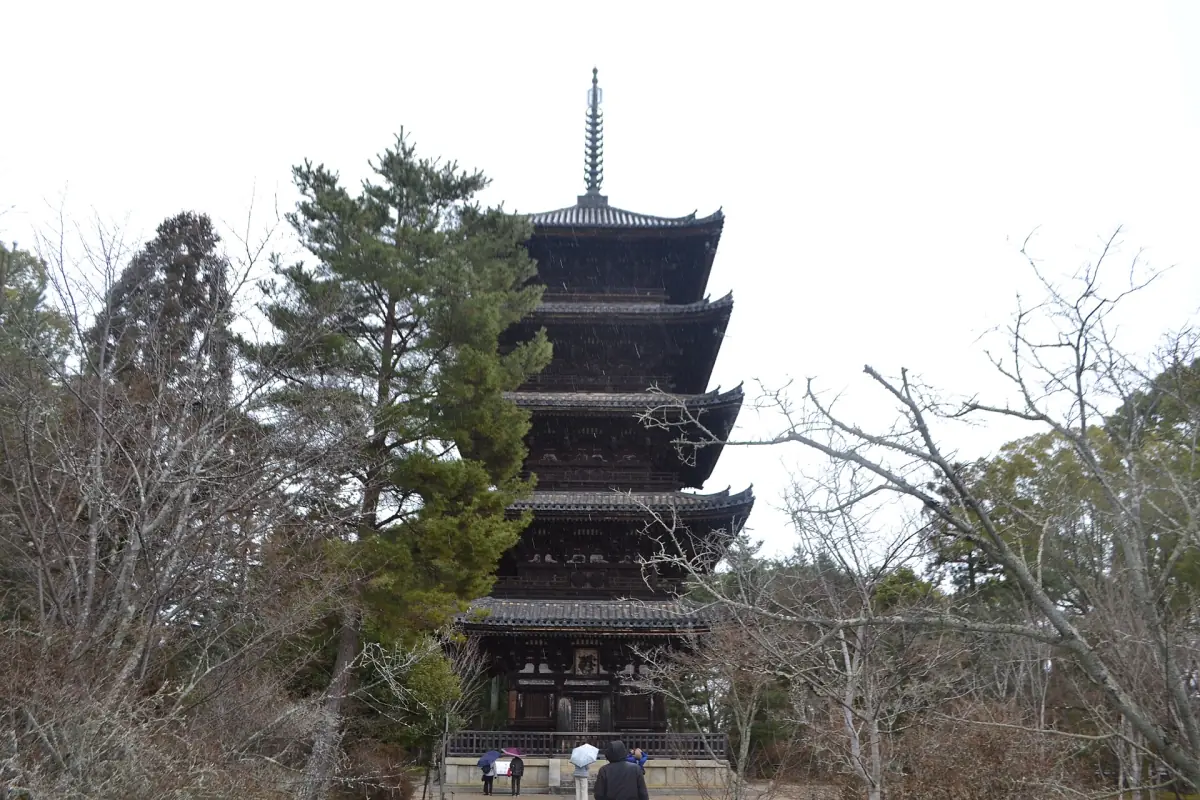
Kinkaku-ji tours and northwest Kyoto
Guided walks with Kinkaku-ji entry and day tours that combine the Golden Pavilion with other Kyoto sights, with live prices and availability.
Myoshin-ji temple in Kyoto
Myoshin-ji is the head temple of the Myoshin-ji school of Rinzai Zen. The main halls can be visited as of 2026 for ¥500, children up to junior high school ¥200, from 09:00 to 16:00 with ticket sales until 15:30. The large kitchen building has been closed for works since May 2024, and ceremonies can limit access to the halls on certain days, so look at the temple calendar before you set the day.
Taizo-in is one of the subtemples of Myoshin-ji. Subtemples set their own hours and fees, so check on site.
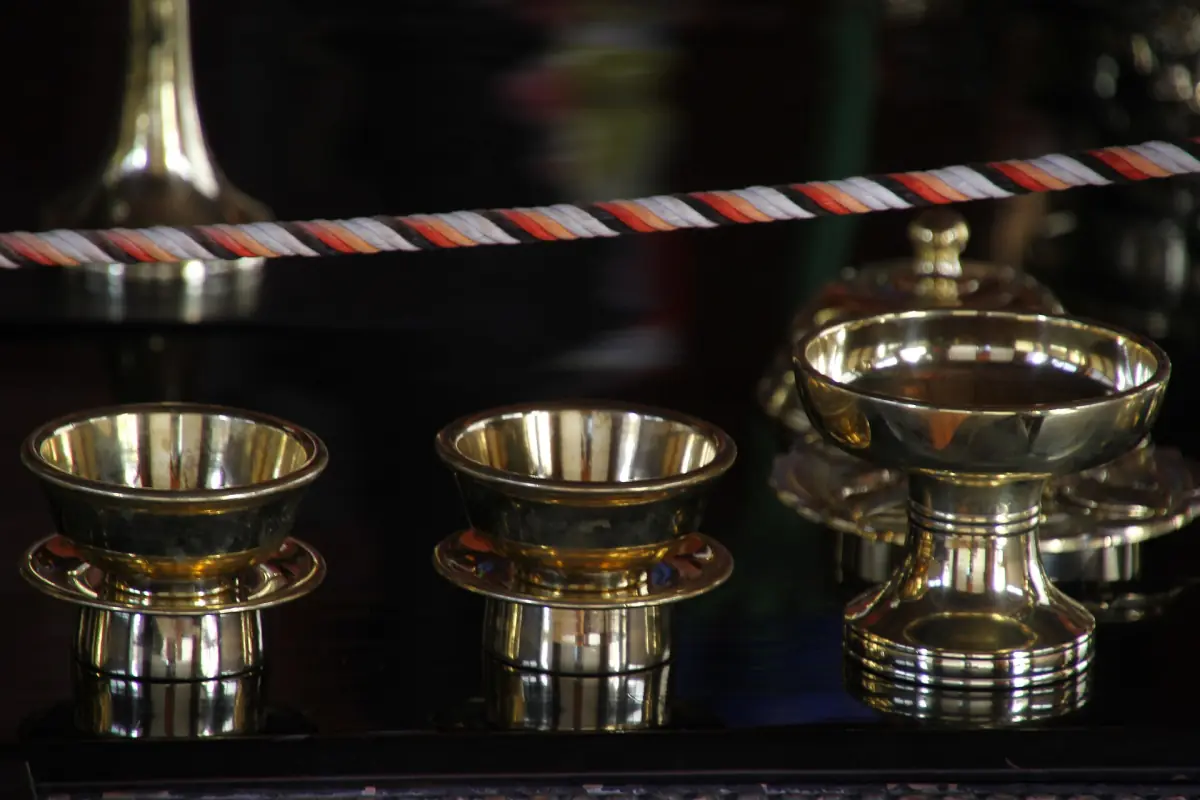
Kitano Tenmangu and Kamishichiken
Kitano Tenmangu is dedicated to Sugawara no Michizane, worshipped as Tenjin. The grounds are open daily from 07:00 to 17:00. The Tenjin-san market is held on the 25th of every month, though weather and other conditions can mean fewer stalls. The plum garden usually opens from early February to the end of March. In autumn 2026 the maple garden is open from 31 October to 6 December, 09:00 to 16:00, for ¥1,500 (primary pupils ¥700, preschool children free), with evening lighting until 20:00 from 13 November.
East of the shrine lies Kamishichiken, one of Kyoto's five hanamachi and a place where geiko and maiko live and work. Walk through quietly and treat it as the neighbourhood it is. Our Kitano Tenmangu page has more.
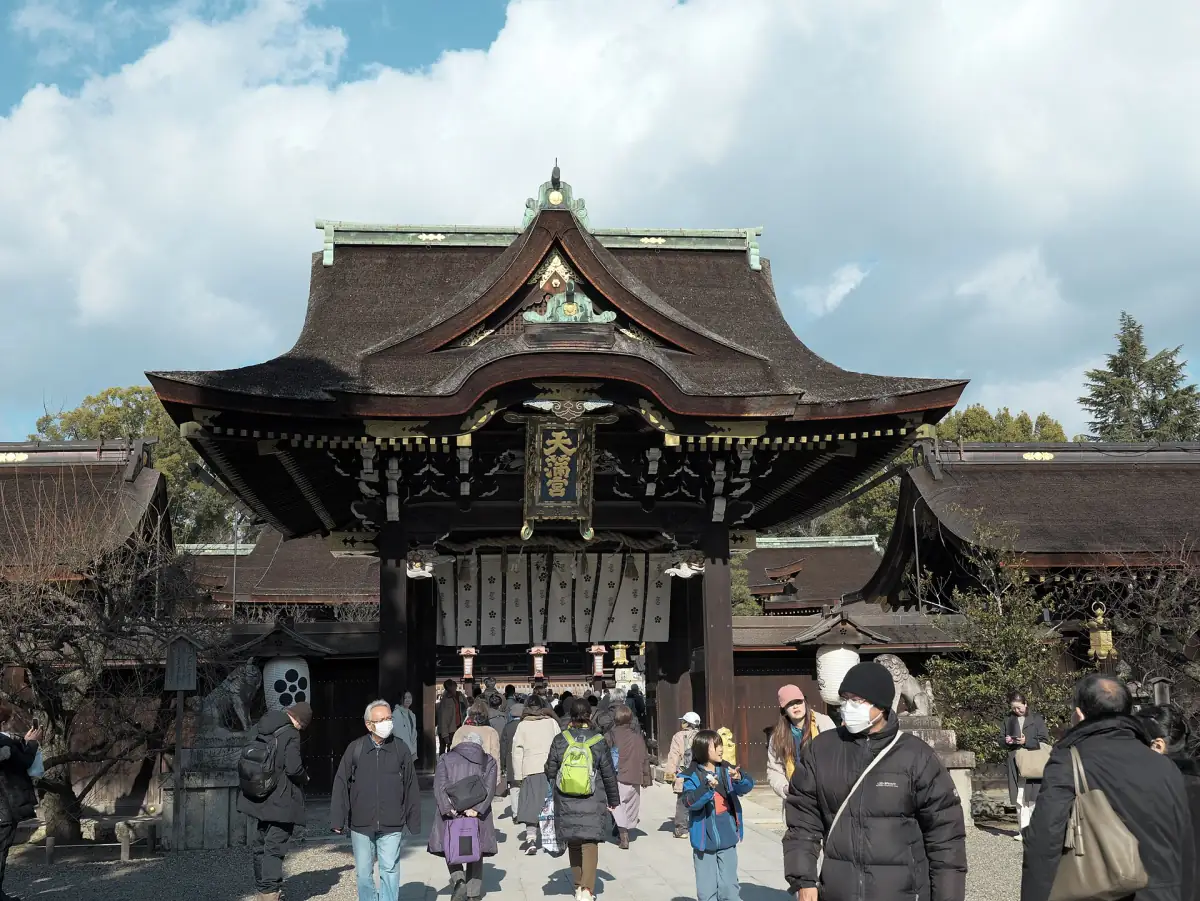
Daitoku-ji and its Zen subtemples
Daitoku-ji is a Zen temple with many subtemples, and each one sets its own hours and fees. Daisen-in is generally open daily from 09:00 to 16:30 for ¥500 (pupils ¥300), with matcha for ¥500, but it shortens hours on some days, so check its calendar. Zuiho-in opens 09:00 to 17:00 for ¥400. Koto-in is closed to visitors throughout 2026 with no reopening date. See our Daitoku-ji page for the full picture.
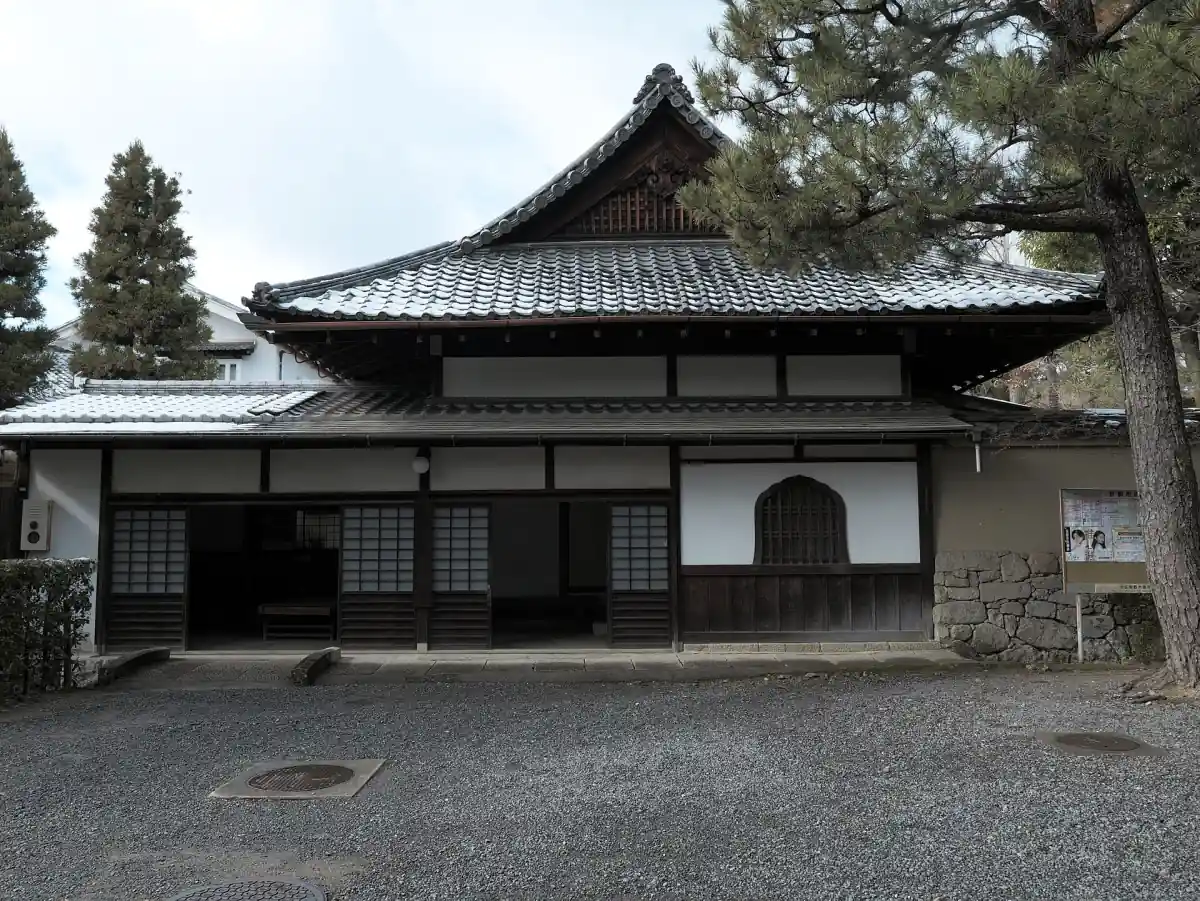
More places in northwest Kyoto
Hirano Shrine
Hirano Shrine is linked with the Sakigake cherry, an early-flowering variety. Check the shrine for seasonal hours.
Toji-in
Toji-in belongs to the Tenryu-ji school of Rinzai Zen. It is open all year from 09:00 to 16:30 (last entry 16:00), with shorter hours from 30 December to 3 January. Entry is ¥600 for adults and ¥300 for children, and matcha costs ¥600. There are ten free car spaces.
Kamigamo Shrine
Kamigamo Shrine, officially Kamo Wakeikazuchi Jinja, lies in the Kita ward like Kinkaku-ji. From Kitaoji take bus 37 to Kamigamo Misono-bashi or bus Kita 3 to Kamigamo Jinja-mae. Drones are only allowed with the shrine's express permission.
Uzumasa Eigamura as a side trip
With children, the film park Uzumasa Kyoto Village (Eigamura) makes a change from temples. The Randen runs from Kitano-Hakubaicho to Satsueisho-mae in 10 minutes of riding time, and the side entrance is about 2 minutes on foot from there (open for entry there until 17:00). A day ticket costs ¥2,800 from junior high school age and ¥1,600 for children from 3 through primary school, as of 2026. Some attractions cost extra. Allow for the bus, the walk to the station and waiting time on top.
For the bamboo grove, Togetsukyo Bridge and the rest of the river district, our Arashiyama guide covers the details, and our Kinkakuji and Arashiyama page explains the route between the two.
Plan the area with these pages
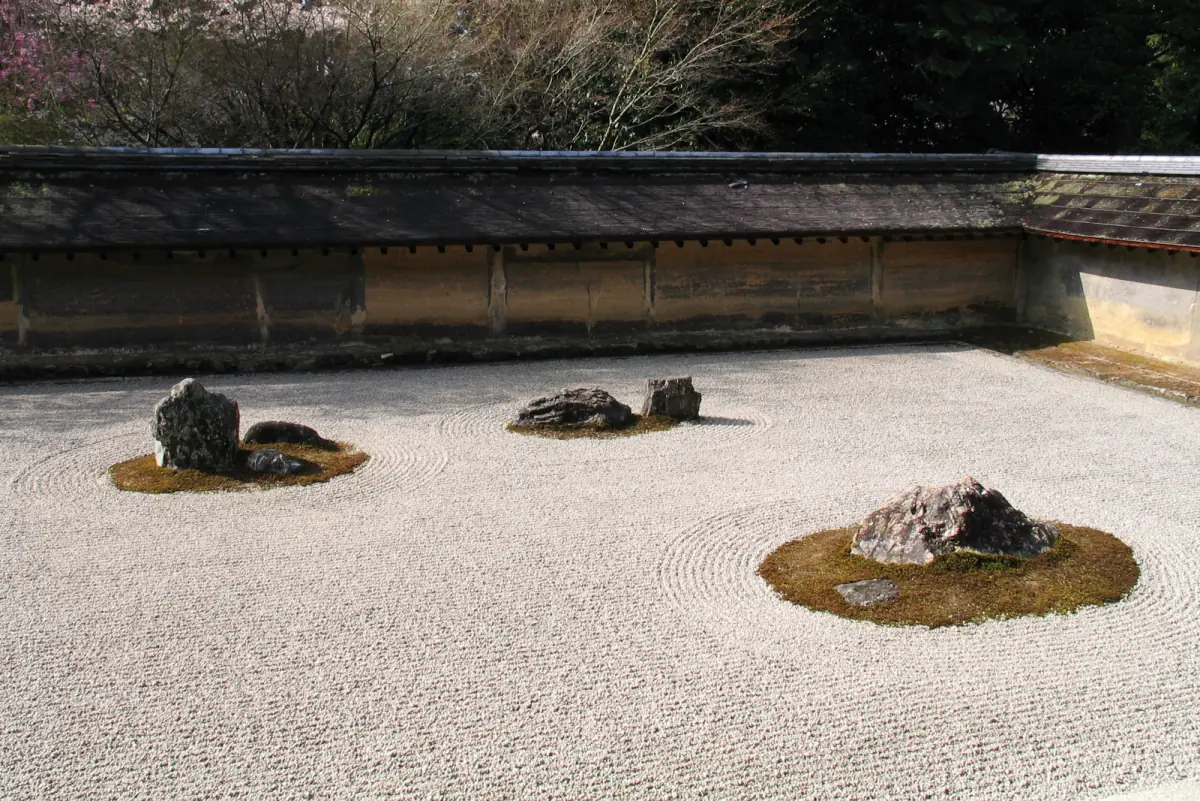
Ryoan-ji rock garden
Fees, hours and the 18-minute walk from Kinkaku-ji.
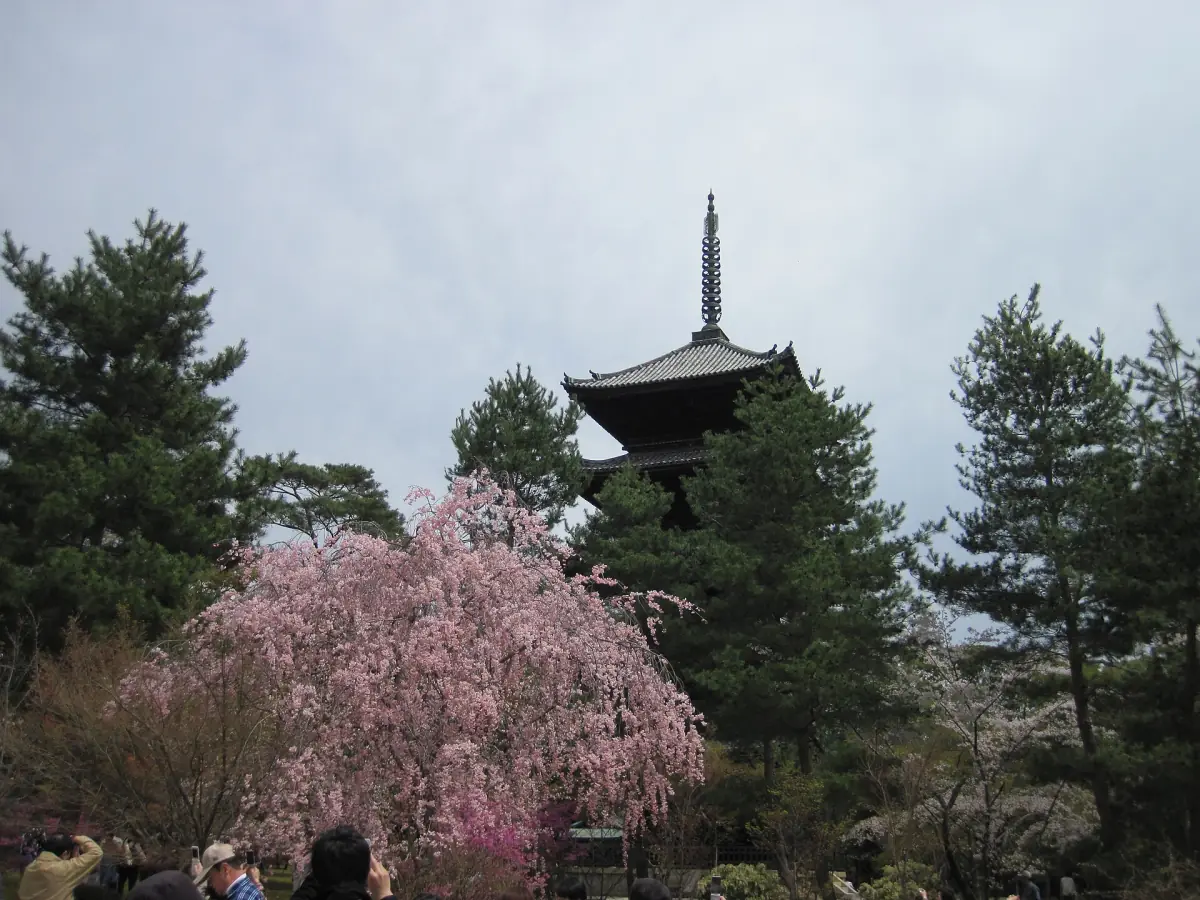
Ninna-ji and the Omuro cherries
Garden fees, pagoda views and the late cherry season.
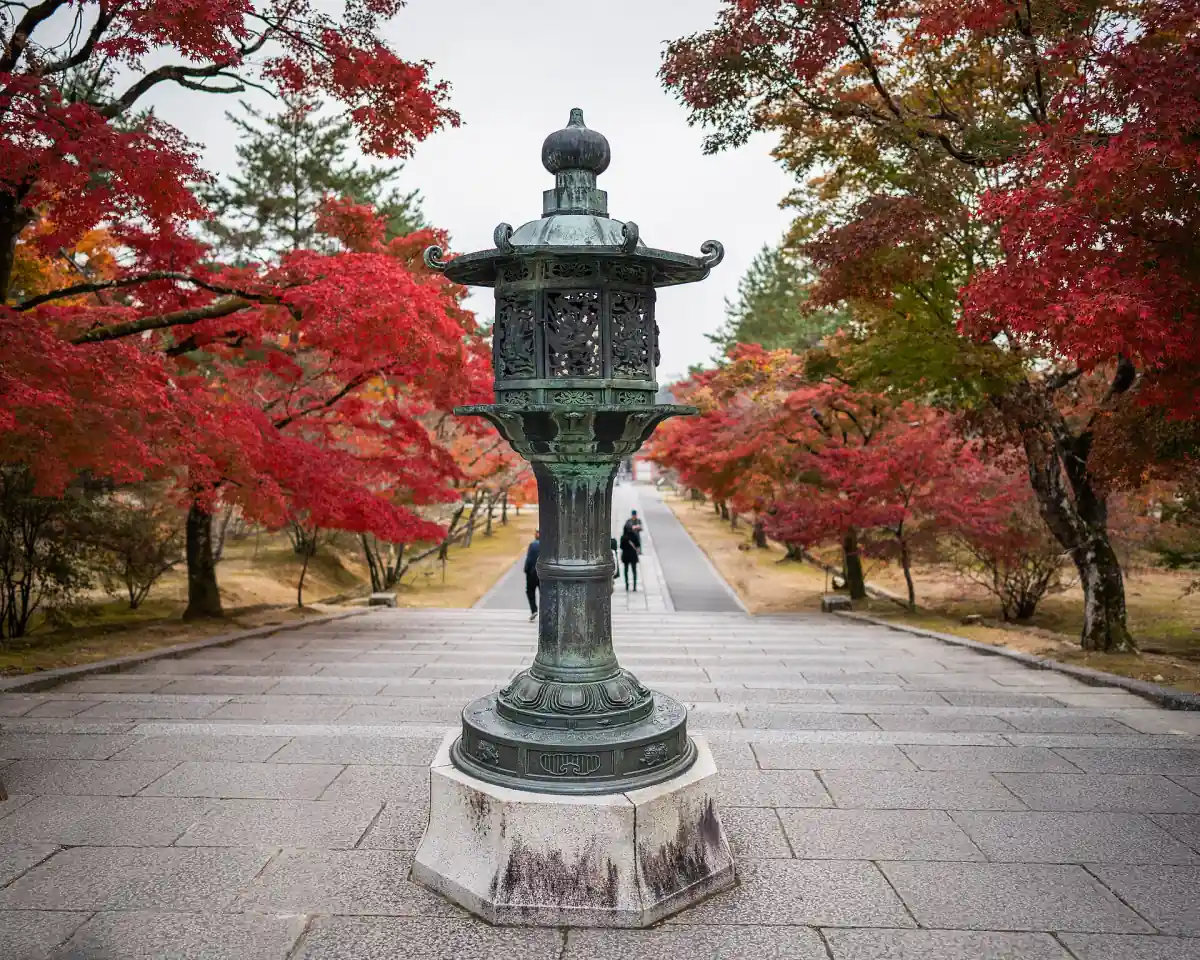
Best time to visit
Snow, autumn leaves and the busiest hours at the temple.
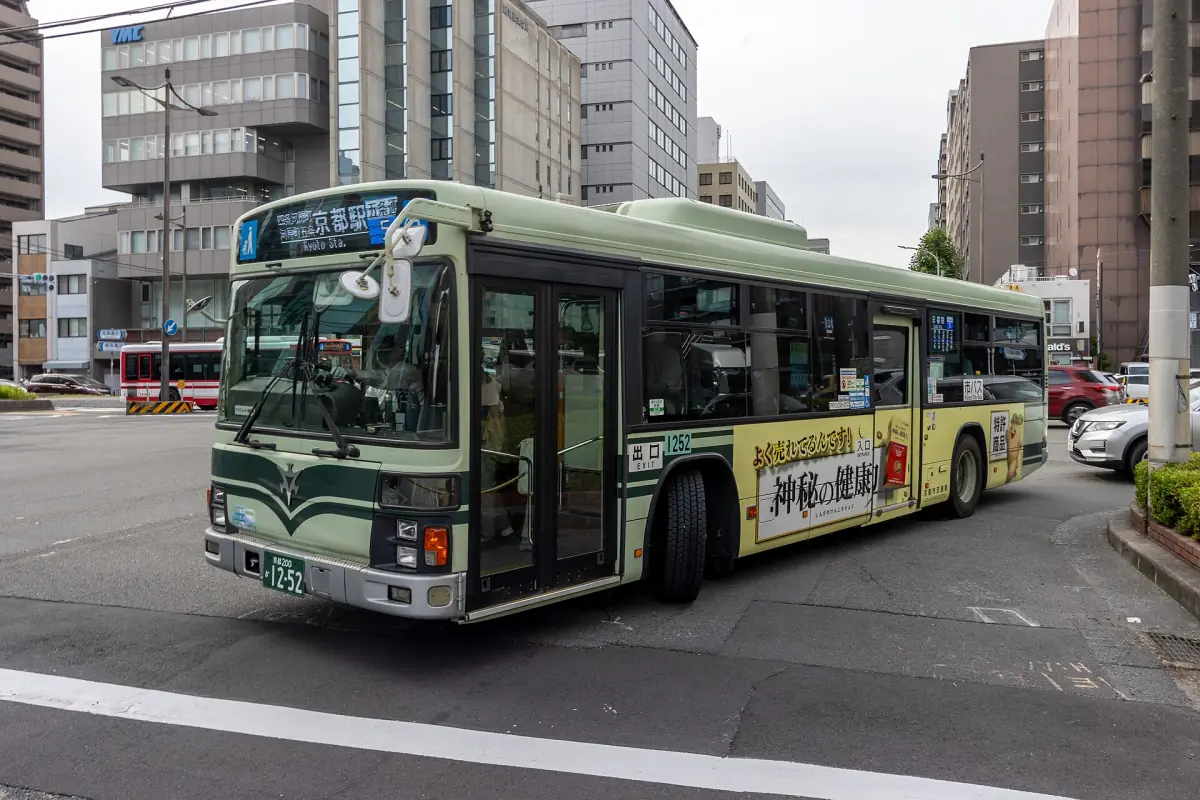
How to get to Kinkaku-ji
Bus 205, subway plus bus and taxi from Kyoto Station.
FAQ
What is within walking distance of Kinkaku-ji?
Ryoan-ji is about 18 minutes on foot along the Kinukake-no-michi, and Ninna-ji is about 11 minutes further. Together that is roughly half an hour of walking, without time inside the temples.
Can I combine Kinkaku-ji with Arashiyama in one day?
Yes. Walk the Kinukake-no-michi to Ninna-ji and take the Randen from Omuro-Ninnaji, or take a bus to Kitano-Hakubaicho and ride the Randen from there. The Randen fare is ¥250 for adults as of 2026.
Is Koto-in at Daitoku-ji open?
No. Koto-in is closed to visitors throughout 2026, and no reopening date has been set. Daisen-in and Zuiho-in are alternatives within Daitoku-ji.
When is the Tenjin-san market at Kitano Tenmangu?
On the 25th of every month. Weather and other conditions can mean fewer stalls, so treat it as a bonus rather than the main reason for the day.
How much is Myoshin-ji?
The halls cost ¥500 for adults as of 2026 and are open 09:00 to 16:00. Ceremonies can limit access on some days, so check the temple calendar first.